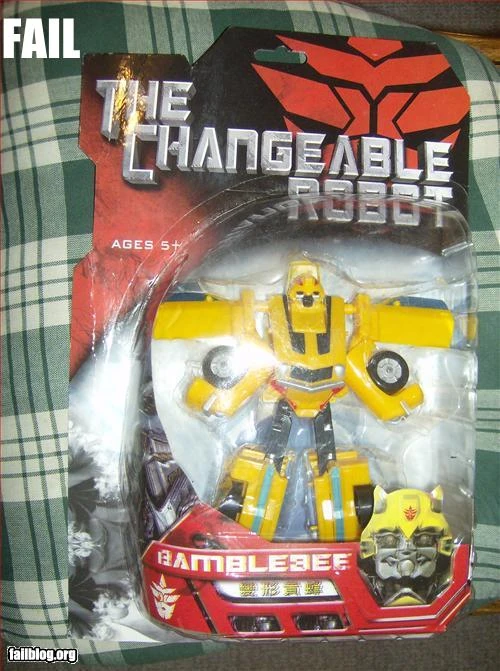
When I was a kid, money was something magical that adults forked out. Money, or the lack of it, was the reason I couldn't have the entire collection of Transformers, and instead had to settle for a single, imitation 'Changeable Robot'.

I learned to be happy with less than my peers. Nevertheless, I still had a luxurious upbringing compared to most children in the world. It just didn't include getting everything I wanted.
With my first full time job, came money, but not a lot of money. Certainly not enough money to satisfy the new consumerist desires I started to feel.
I learned to be happy with less than my peers. Nevertheless, I still had a luxurious upbringing compared to most children in the world. It just didn't include getting everything I wanted.
With my first full time job, came money, but not a lot of money. Certainly not enough money to satisfy the new consumerist desires I started to feel.
Things I thought I needed to be "normal" and "happy":
A PC,
A mobile phone ,
A DVD player,
A TV,
An MP3 player,
Frequent new clothes,
A large personal library of books, DVDs and CDs,
A lifestyle that included dining out regularly, taking taxis, going on holidays, and buying expensive coffees and snacks whenever I wanted.
If I wanted something, I bought it without thinking. Or, perhaps I was thinking that buying this new shiny gadget would finally make me happy.
Unfortunately, my income couldn't cover all these new wants, and pretty soon I started maxing out my credit cards.
Happiness didn't arrive, but the bills kept coming.
Fast forward to now.
More and more I have discovered that I could be happy with less and less. I have rediscovered the joy of frugality.
Now right here, some people are thinking, "Oh, frugality - you mean your cheap, a miser, a skinflint."
That's not what frugality means.
Frugality is the virtue of making do with less,
but enjoying the little you have more.
Frugality means being grateful for what you have now,
rather than wanting more in the future.
Frugality means using only the resources that you need.
It means not replacing something until it is worn out.
Frugality has meant doing without a car for 3 years, because we really didn't need one. We rarely have to travel more than 12 miles in Newcastle, and when we do there are taxis, buses, trains and rental cars. Anything within 12 miles is an easy cycle or walk. When our daughter was born and we decided that a car would be useful, we didn't rush to figure out the maximum monthly payment we could afford.
We bought a perfectly nice 10 year old Hyundai for £900.
Frugality has meant buying a lovely, old terraced house for just over £112,000 with a 30% downpayment, rather than the 'perfect' house for £300,000 with a 10% downpayment. Our frugal lifestyle means our mortgage will be paid off in 5 years, rather than 25 years.
Frugality meant spending £500 on our wedding and spending time with 30 friends and relatives, rather than spending £15,000 and being too tired to chat with the 150 guests you or your spouse felt they had to invite.
Frugality has meant furnishing our house from charity shops where you can buy hardwood dining tables, dressers, chairs and desks, all at less than £40 a piece. (With the odd Ikea piece thrown in when the charity shops come up empty).
Frugality means being financially independent sooner rather than later. With our current income, my wife and I could retire in 15 years if we wanted to. If our incomes go up, that date will come sooner.
Frugality was the virtue that North Americans prized the most before the 20th century. It's what allowed them to survive and flourish when they arrived as penniless immigrants. Rather than enjoying life less, immigrants like my grand-parents appreciated what they had so much more.
Frugality deserves to be dusted off and given a new life. It will help you cultivate a sense of appreciation for what you have right now. It will save you money, and it might just save the planet.

Happiness didn't arrive, but the bills kept coming.
Fast forward to now.
More and more I have discovered that I could be happy with less and less. I have rediscovered the joy of frugality.
Now right here, some people are thinking, "Oh, frugality - you mean your cheap, a miser, a skinflint."
That's not what frugality means.
Frugality is the virtue of making do with less,
but enjoying the little you have more.
Frugality means being grateful for what you have now,
rather than wanting more in the future.
Frugality means using only the resources that you need.
It means not replacing something until it is worn out.
Frugality has meant doing without a car for 3 years, because we really didn't need one. We rarely have to travel more than 12 miles in Newcastle, and when we do there are taxis, buses, trains and rental cars. Anything within 12 miles is an easy cycle or walk. When our daughter was born and we decided that a car would be useful, we didn't rush to figure out the maximum monthly payment we could afford.
We bought a perfectly nice 10 year old Hyundai for £900.
 |
| Nothing that a hose and sponge can't fix. |
Frugality has meant buying a lovely, old terraced house for just over £112,000 with a 30% downpayment, rather than the 'perfect' house for £300,000 with a 10% downpayment. Our frugal lifestyle means our mortgage will be paid off in 5 years, rather than 25 years.
Frugality meant spending £500 on our wedding and spending time with 30 friends and relatives, rather than spending £15,000 and being too tired to chat with the 150 guests you or your spouse felt they had to invite.
Frugality has meant furnishing our house from charity shops where you can buy hardwood dining tables, dressers, chairs and desks, all at less than £40 a piece. (With the odd Ikea piece thrown in when the charity shops come up empty).
Frugality means being financially independent sooner rather than later. With our current income, my wife and I could retire in 15 years if we wanted to. If our incomes go up, that date will come sooner.
Frugality was the virtue that North Americans prized the most before the 20th century. It's what allowed them to survive and flourish when they arrived as penniless immigrants. Rather than enjoying life less, immigrants like my grand-parents appreciated what they had so much more.
Frugality deserves to be dusted off and given a new life. It will help you cultivate a sense of appreciation for what you have right now. It will save you money, and it might just save the planet.


Comments
Post a Comment